February 20, 2026
The home services landscape looks very different in 2026 than it did just a few years ago. Smart appliances are now common, consumer expectations have risen, and households are holding on to major appliances longer to maximize value. In response, appliance repair companies are evolving their operations, service models, and technical expertise to stay competitive and relevant.
Today's customers expect speed, transparency, and long-lasting results. They want qualified technicians who can work on everything from traditional washers to advanced refrigeration systems. They also want service providers who respect their time, protect their homes, and deliver dependable outcomes on the first visit. To meet these demands, repair professionals are making strategic adjustments that go far beyond basic fixes.
Below are three key ways the industry is adapting in 2026, along with insights into why these changes matter for homeowners who rely on fast, reliable appliance service.
1. Investing in Advanced Training and Specialization
Keeping Pace With Modern Appliance Technology
Household appliances have become significantly more complex. Wi-Fi connectivity, digital control boards, inverter-driven motors, and energy optimization features are now standard in many homes. For appliance repair companies, keeping up means investing heavily in ongoing technical education.
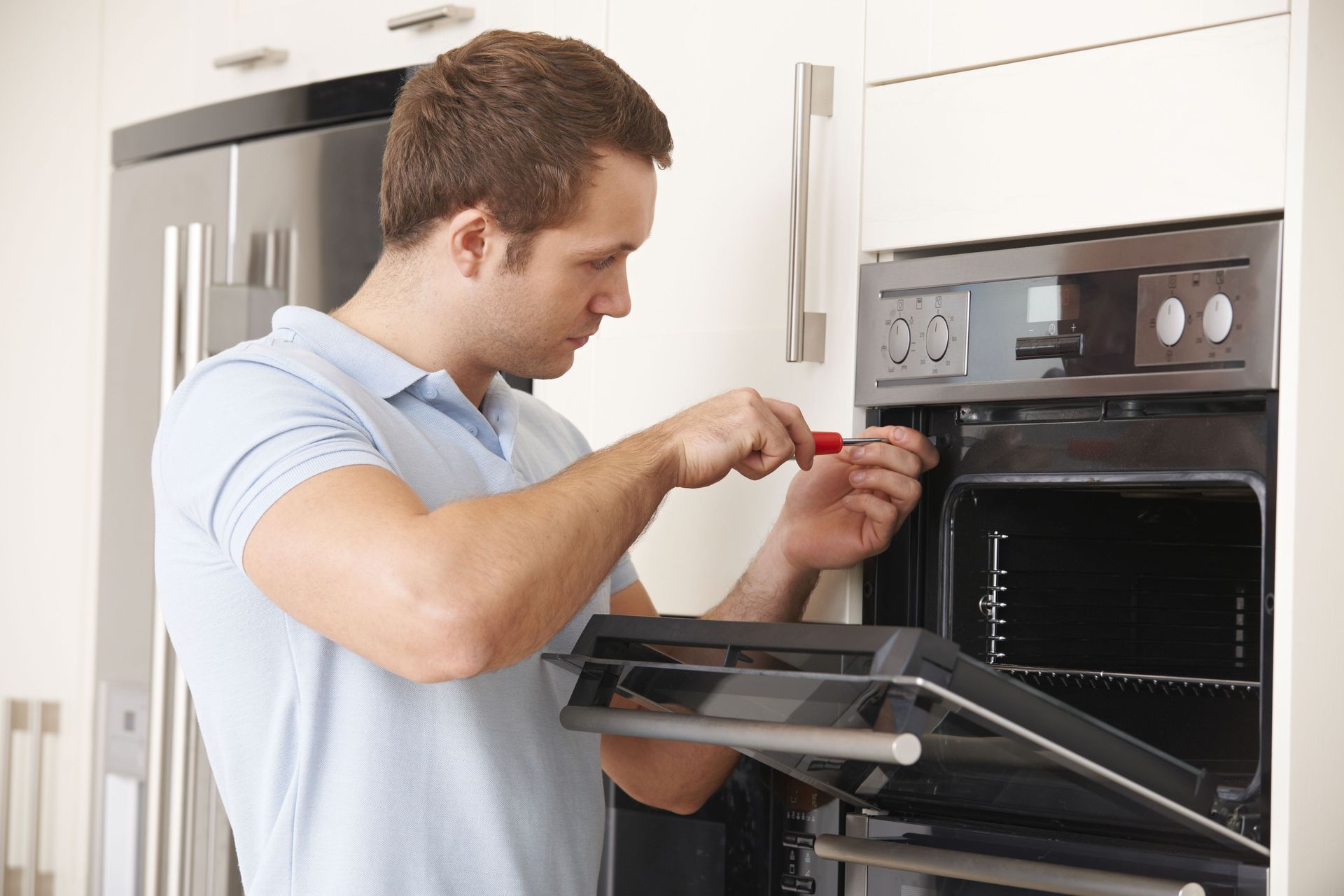
Technicians in 2026 are expected to understand not only mechanical systems but also software diagnostics and electronic components. A refrigerator that fails to cool properly may now involve firmware updates or sensor calibration rather than a simple thermostat replacement. As a result, structured training programs and manufacturer certifications are no longer optional. They are essential for delivering accurate diagnoses and safe repairs.
This emphasis on education helps ensure repairs are completed correctly the first time around, reducing callbacks and preventing further damage to expensive appliances.
Expanding Expertise Across Appliance Categories
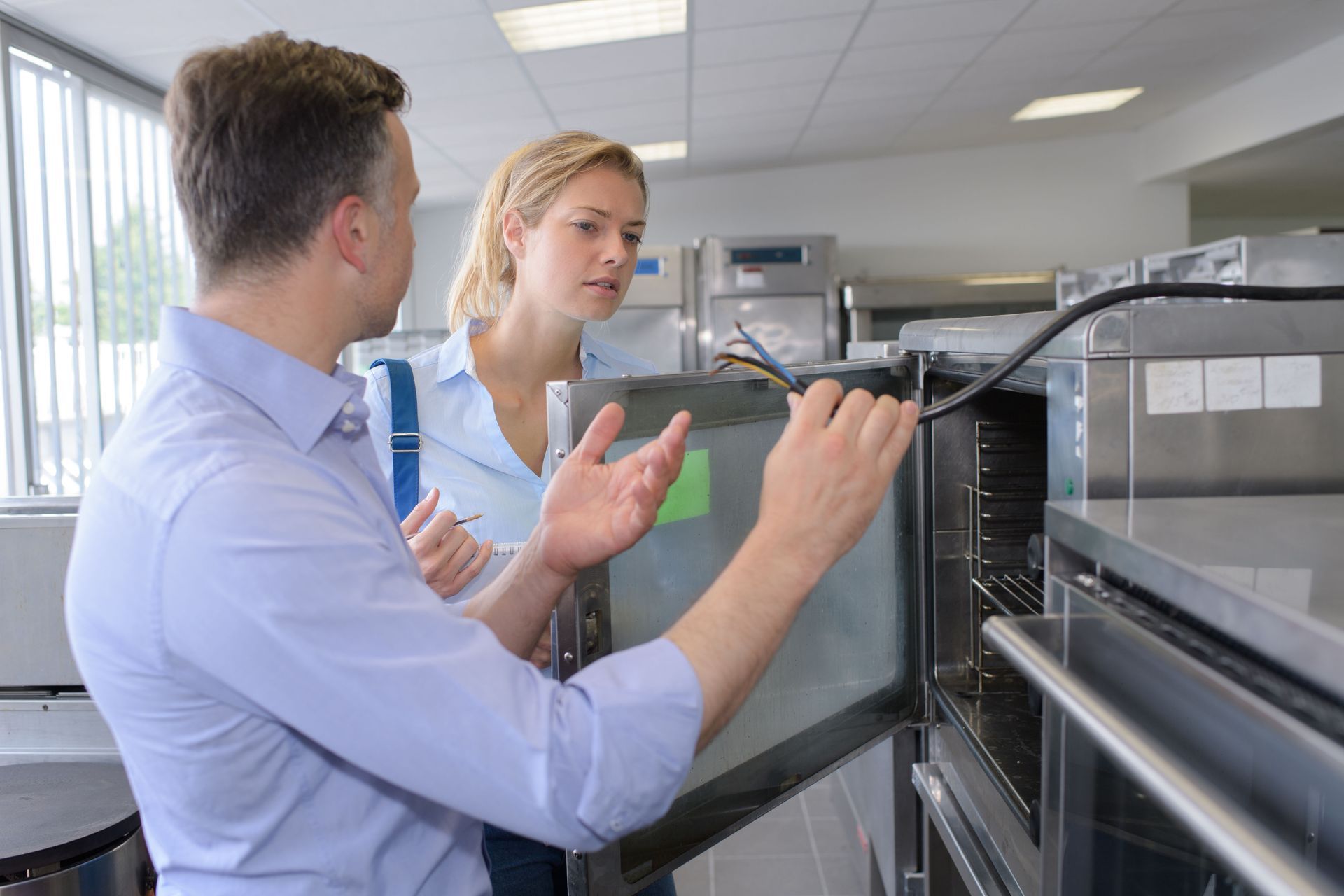
Another major shift involves broader specialization. Many service providers are training their teams to handle a wide range of appliance types in a single visit. This includes laundry systems, kitchen appliances, and high-end refrigeration units, each with unique components, performance standards, and service requirements that demand a well-rounded technical skill set.
For homeowners, this means fewer appointments and less disruption to daily routines. A single technician can address a faulty dishwasher, inspect a struggling oven, and evaluate a refrigerator during the same service call, reducing wait times and eliminating the need for multiple follow-up visits. This efficiency benefits both customers and service providers by saving time, lowering operational costs, and improving overall service consistency.
Embracing Manufacturer-Specific Knowledge
Brand-specific expertise has become a major differentiator in 2026. Certain premium appliances require specialized tools, proprietary parts, and precise service procedures that go beyond standard repair knowledge. Appliance repair companies that invest in factory-authorized training gain access to detailed technical documentation, updated service bulletins, and approved repair methods that generalists may lack, ensuring greater accuracy and consistency.
This level of specialization builds rapport with customers who want assurance that their investment is being handled correctly and safely. It also enables service providers to work confidently on luxury and built-in systems that require a higher level of precision, thereby reducing the risk of repeat issues and ensuring appliances perform as intended over the long term.
2. Improving Speed, Accuracy, and Service Efficiency
Leveraging Smarter Diagnostic Tools
Speed matters more than ever, but accuracy cannot be sacrificed. Modern diagnostic tools are transforming how technicians identify appliance issues. Digital scanners, error code databases, and real-time service apps allow technicians to pinpoint problems quickly.
For appliance repair companies, these tools reduce guesswork and streamline the repair process. Instead of ordering unnecessary parts or scheduling follow-up visits, technicians arrive prepared with the right components and solutions. This approach improves first-visit completion rates and enhances customer satisfaction.
Stocking Parts for Same-Day Repairs
In 2026, waiting days or weeks for a repair is no longer acceptable for most households. To address this, many providers are improving inventory management by stocking commonly used parts directly in service vehicles.
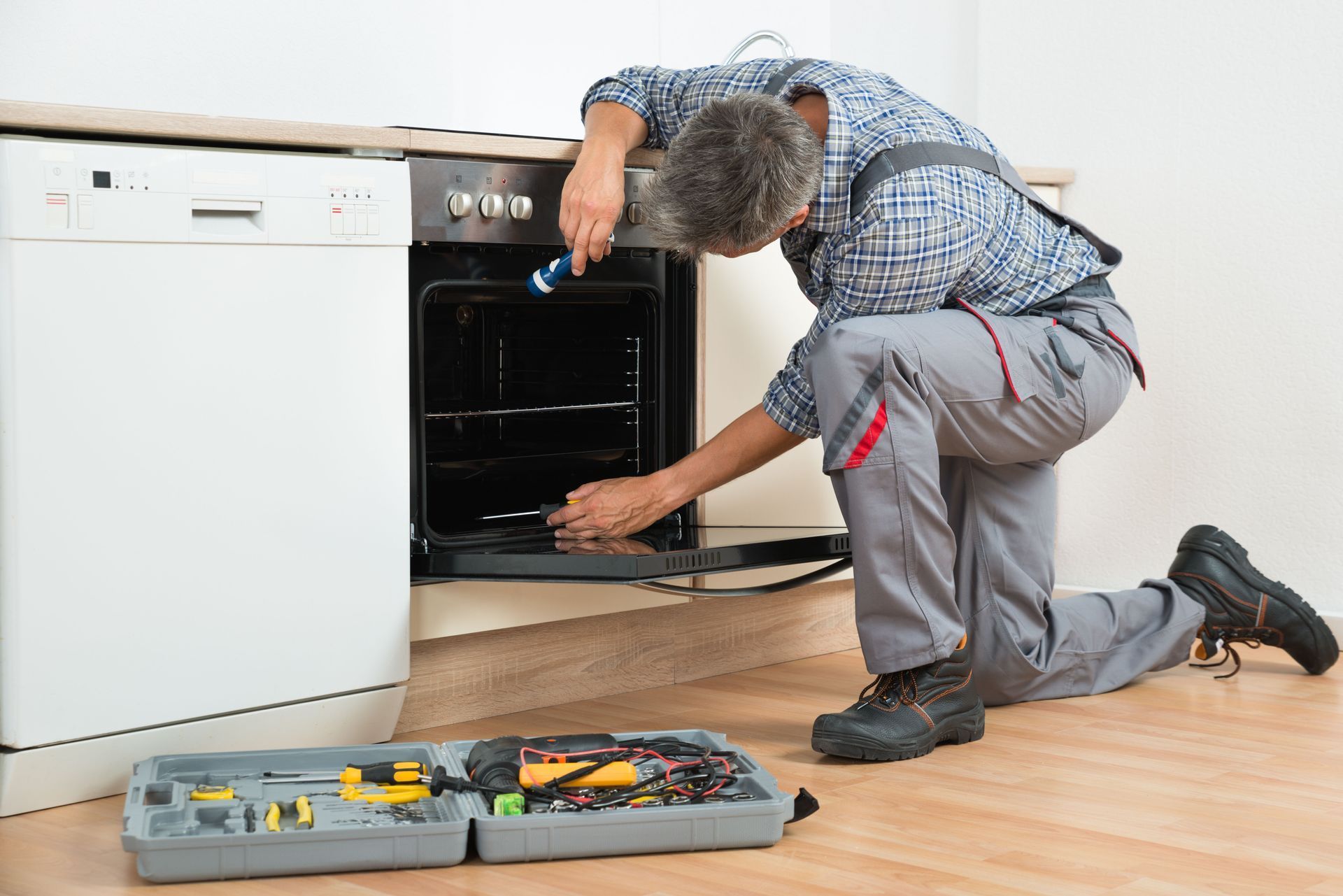
This strategy allows technicians to complete many repairs during the initial appointment. Whether it is a worn belt, faulty pump, or damaged heating element, having parts on hand minimizes downtime and inconvenience for customers.
Faster repairs also help homeowners avoid secondary issues such as food spoilage, water damage, or disrupted routines.
Streamlining Scheduling and Communication
Efficient service goes beyond technical skill. Customers now expect clear communication from the moment they schedule an appointment. Online booking systems, text message updates, and accurate arrival windows have become standard features.
These improvements help set realistic expectations and reduce frustration. For service providers, better scheduling tools improve route planning and technician productivity, allowing more jobs to be completed each day without compromising quality.
3. Focusing on Long-Term Value and Customer Education
Promoting Repair Rather Than Replacement
Economic uncertainty and rising appliance costs have influenced consumer behavior. Many homeowners are choosing to repair appliances rather than replace them, especially when repairs can extend the lifespan by several years.
Industry analysts support this trend. According to IBISWorld, the U.S. appliance repair sector is projected to experience steady growth over the next five years, reflecting increased demand for professional repair services as households prioritize cost-effective solutions.
In response, appliance repair companies are emphasizing the financial and environmental benefits of timely repairs. Restoring an appliance to proper working condition often costs significantly less than purchasing a new unit and helps reduce landfill waste.
Educating Customers on Preventive Maintenance
Education has become a key part of the service experience. Technicians are spending more time explaining what caused an issue and how to prevent it from happening again. Simple guidance on cleaning filters, avoiding overloads, and recognizing early warning signs can make a meaningful difference.
This proactive approach positions repair providers as reliable advisors rather than just fixers. Customers who understand their appliances are more likely to schedule maintenance, address minor problems early, and build long-term relationships with their service provider.
Building Reputation Through Transparency
Company transparency is another area where the industry is adapting. Clear pricing, detailed explanations, and honest recommendations are now expected rather than optional. Customers want to understand what they are paying for, how labor and parts contribute to the cost, and why a particular repair is necessary rather than a replacement or alternative solution.
By offering upfront estimates, walking customers through available options, and answering questions openly, service providers build credibility and reduce hesitation. This level of openness encourages repeat business, positive referrals, and stronger customer loyalty, all of which are critical advantages in an increasingly competitive market.
The appliance repair industry in 2026 is defined by adaptability, expertise, and a strong focus on customer value. As appliances become more advanced and households seek reliable alternatives to replacement, appliance repair companies are responding with better training, faster service models, and a renewed emphasis on long-term solutions.
These changes benefit homeowners by delivering quicker repairs, more accurate diagnoses, and greater confidence in the work being performed. They also strengthen the industry by raising service standards and reinforcing the importance of appliance repair companies in modern households.
As technology continues to evolve and consumer expectations rise, the companies that invest in education, efficiency, and transparency will remain well-positioned for the future. For homeowners, choosing a repair provider that embraces these adaptations means fewer disruptions, lower costs, and appliances that continue to perform when they are needed most. If you're looking for an adaptable appliance repair company, be sure to contact Action Appliance Repairs!